
How to Choose a Condominium in Singapore? A Guide for International Students
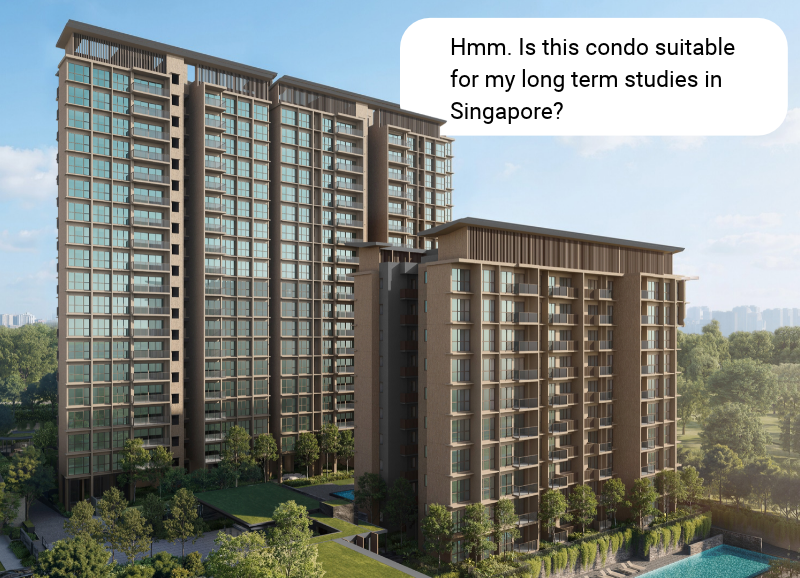
Moving to Singapore for university involves more than choosing a programme and preparing for classes. For international students, one of the earliest and most important decisions is where to live.
However, when people compare condominiums in Singapore, attention often goes straight to the apartment itself. Buyers look at floor area, bedroom numbers, views and interior finishes before considering how the wider development is actually planned. Good condominium planning is not simply about making a development attractive from the outside. It is about creating a residential environment where different parts of the property work together naturally.
For students, young professionals and other urban residents, this perspective can provide a different way of evaluating a condominium, using developments such as Amberwood at Holland and Serra Residences. Instead of asking only whether a property looks attractive, students can also consider how its design may support social interaction, privacy, and a sense of belonging.
Why Site Planning Matters in a Condominium
A condominium is more than a collection of private apartments. You move through shared areas every day, whether you are entering the property, returning home after class, spending time outdoors or using communal facilities.
These everyday movements eventually become part of your routine.
The Relationship Between Different Spaces
A thoughtfully planned development creates a logical relationship between private and shared areas. Residential blocks should feel connected without making individual homes feel overly exposed.
The positioning of entrances, walkways and communal areas can influence how residents move around the property. When these elements are arranged carefully, everyday movement can feel more straightforward and comfortable.
For international students, this can be especially relevant when adapting to an unfamiliar residential environment. A clear layout can make it easier to understand where to go, how to access facilities and how different parts of the development relate to one another.
This is one reason it can be useful to explore a development in person rather than relying entirely on photographs or floor plans.
Creating a Clear Sense of Arrival
The entrance of a condominium is often the first part of the development residents and visitors experience. For students arriving home after a day at university, it also marks the transition between the wider city and their residential environment.
More Than a Gate
A well-designed entrance does more than provide access. Landscaping, paving, lighting and building visibility can all contribute to how the transition into the development feels.
Think about arriving home after a long day of lectures. Does the entrance feel easy to navigate? Does it provide a clear sense of where you need to go? Does the transition from the street to the residential area feel natural?
These details may seem minor when you first view a property, but they become part of your experience each time you come home.
The Journey Home
Your experience of a condominium does not begin when you open your apartment door.
Consider everything that happens between arriving at the property and reaching your home.
Is the route easy to understand? Does it feel appropriately private?
Are the shared spaces positioned logically? Can you easily identify your residential block?
These questions can reveal details that are not always obvious from promotional photographs.
Balancing Activity and Quiet Areas
Student life involves different types of activity. You may spend part of the day attending classes, another few hours studying, and later meet friends, exercise or simply relax.
Your home needs to accommodate these changing routines.
Separating Different Functions
Shared spaces work best when their location reflects their intended purpose. A recreational area designed for activity has different requirements from a quiet landscaped corner or a residential circulation route. Thoughtful planning can create distinctions between these areas without making the development feel fragmented.
When looking at a condominium, consider whether you can find spaces for different parts of your day:
Where will you study? Where will you socialise?
Where can you exercise? Where can you simply sit quietly?
A condominium does not need to provide a separate space for every activity, but having different environments to choose from can make residential life more flexible.
Giving Yourself Choices
Not every student uses a residential development in the same way.
You might prefer studying privately in your room, while your housemate may enjoy working in a shared space. You might use the pool regularly, while another resident may prefer the quieter landscaped areas.
A well-planned development can accommodate these differences by offering a variety of spaces rather than expecting everyone to follow the same routine. This flexibility can become particularly useful throughout the academic year, when your schedule and priorities change.
Connecting Architecture With the Surrounding Neighbourhood
A condominium does not exist independently from the district around it. Its planning can influence how residents experience the transition between their home and the surrounding neighbourhood.
Understanding the Local Context
In the case of Amberwood at Holland, the development sits within the broader Holland residential environment. Looking at the property in this context allows buyers to consider how its internal planning relates to the character of the surrounding area.
The same principle applies to Serra Residences in Novena. Its residential setting has its own urban character, meaning the relationship between the development and its surroundings forms part of the overall living experience.
A Property’s External Relationship
You should also consider what you can see and experience beyond the condominium boundary.
The orientation of buildings, entrances and outdoor areas can influence how connected a development feels to its surrounding district. A condominium does not need to look or function like every other development. What matters is how well its design responds to its particular location.
For you, this means looking at the condominium and its neighbourhood as one connected living environment.
Looking at Outdoor Areas Differently
Landscaping is sometimes treated as decoration, but it can serve a much more practical purpose within a condominium.
Space Between Buildings
Outdoor areas can soften the relationship between residential blocks and create breathing room within a development. The positioning of trees, planting, paths and seating can influence how open or enclosed different parts of the property feel. Even relatively small landscaped sections can become useful transition spaces between private residences and communal areas.
When viewing a condominium, do not only ask whether it has greenery. Think about how you would actually use it.
Could you sit there between classes? Would you walk through the area on your way home?
Could you meet a friend there? Does it provide a quieter alternative to your apartment?
Seasonal Changes
Singapore’s tropical climate also means outdoor spaces are experienced throughout much of the year. Covered sections, shaded routes and suitable planting can therefore make a difference to how residents use external areas.
These details may not be the first things buyers notice, but they can become more meaningful after moving in.
What You Should Observe
When visiting a condominium, buyers can learn a great deal by paying attention to the development as a complete environment.
Walk Instead of Simply Looking
Do not limit your visit to the showflat or apartment. Take time to walk through the wider property. Notice how the buildings relate to one another and whether moving between different areas feels natural.
Try to imagine your ordinary routine:
Where would I go after returning from class? How would I reach the facilities? Where could I study or take a break?
These questions can reveal aspects of the development that photographs may not communicate.
Observe Different Times of Day
A development can feel different in the morning, afternoon and evening. Where possible, visit at different times to understand activity levels, lighting and the atmosphere of shared areas.
Think about what the development might feel like when you leave for an early lecture, return from an evening class or spend a quiet weekend at home.
Think About Everyday Routes
Imagine ordinary routines rather than special occasions. Think about coming home after university, carrying groceries, receiving visitors, moving between different parts of the development, or simply taking a break from studying.
The more you imagine yourself actually living there, the easier it becomes to identify whether the planning supports your lifestyle.
Conclusion
Condominium living is shaped by much more than the four walls of an individual apartment.The arrangement of buildings, pathways, entrances, outdoor spaces and shared areas can influence movement, privacy and the overall sense of comfort within a development.
For international students, these considerations can take on an additional importance. Moving to Singapore often means adapting to a new university, neighbourhood and daily routine at the same time. The residential environment becomes part of that adjustment.
Projects such as Amberwood at Holland and The Serra Residences provide opportunities to consider these details from a broader perspective. Rather than judging a condominium only by its unit specifications or list of amenities, prospective residents can examine how the entire development has been planned and how its different elements work together.
Ultimately, thoughtful site planning can turn a collection of apartments into a more coherent residential environment. For international students, the more useful question may be: How will this place support the way I study, live and experience Singapore?

About Nick
Nick loves the written word. He spends part of his days wondering how to combine his two loves, writing and traveling. The rest of his time he spends having a little wine with friends along Siglap.
You must be logged in to post a comment.